
Key Achievements
Enhanced Security
There have been no incidents of antisocial behaviour, vandalism, or attempted squatting since occupation began. The scheme removed the need for boarded‑up measures or security patrols.
Preserved Building Condition
Daily occupation prevented deterioration commonly associated with vacant care facilities, keeping the property in good condition for future redevelopment.
Significant Cost Savings
The Guardianship model eliminated expenditure on vacant‑property insurance premiums, patrols, reactive callouts and grounds maintenance contracts.
Social Value Delivered
The scheme provided affordable accommodation for 18 local working professionals, supporting the local workforce while making responsible interim use of a vacant community asset.
The Property
Homesdale House is a prominent former care home located in Wanstead, with a long and established history within the local community. For more than 77 years, the building operated as a Christian‑supported residence for older people and previously accommodated 62 self‑contained flats, comprising a mix of bedsits and one‑ to three‑bedroom units.
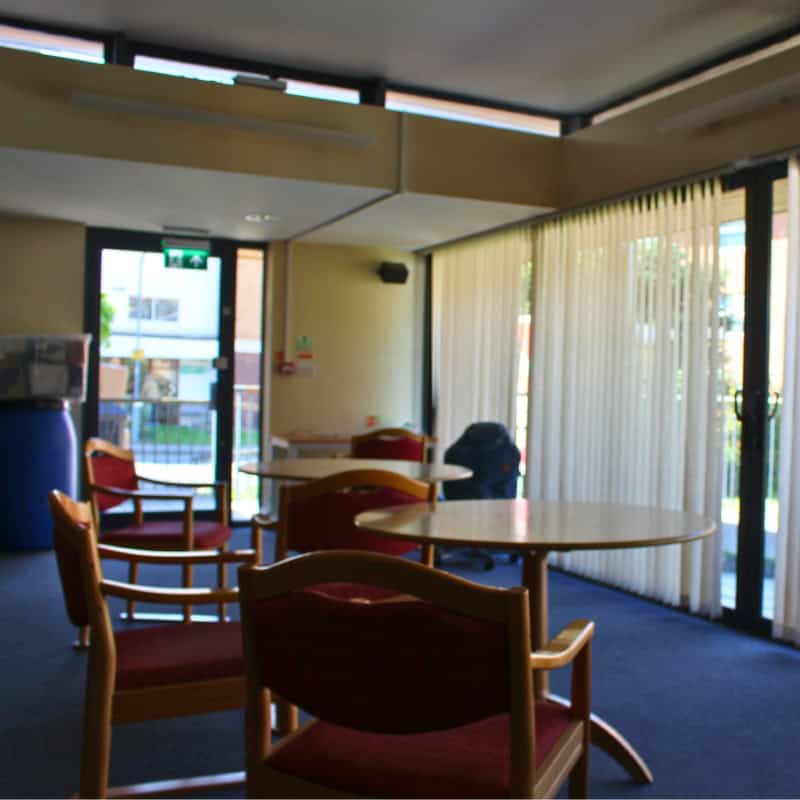
Designed for supported living, the property benefits from wide corridors, large communal areas, and usable outdoor space. Its scale and former residential layout provide a robust and adaptable environment during periods of transition. Homesdale House is now awaiting redevelopment into a new, purpose‑built 45‑bed specialist dementia care facility. During this interim phase, the property required a solution that would protect the asset, maintain its condition, and ensure it remained a responsible and reassuring presence within a sensitive residential setting.
The Challenges
- Security risks associated with vacancy – Without a permanent on‑site presence, the size and layout of the building made it vulnerable to vandalism, antisocial behaviour, unauthorised access and potential squatting.
- Sensitivity to the surrounding community – The site is surrounded by family housing, sheltered accommodation, and other care settings. Any interim use needed to be low‑impact, provide visible reassurance and avoid disruption, particularly for older or vulnerable residents living nearby.
- Risk of deterioration and neglect – Former care homes can deteriorate quickly when left vacant. Lack of heating, ventilation, and day‑to‑day use can lead to damp, internal decline, and poorly maintained external areas, increasing long‑term refurbishment costs.
- Complex internal layout – The building’s multi‑wing, multi‑corridor configuration required consistent oversight to ensure all areas remained secure, safe and well maintained.
Our Solutions
Ad Hoc delivered a structured and carefully managed Property Guardianship scheme, tailored to the operational and community requirements of a former care facility:
- Placement of 18 vetted Property Guardians – A community of responsible, working professionals with local ties was installed to provide continuous occupation throughout the building, creating natural surveillance and daily activity.
- 24/7 residential presence – The constant on‑site presence significantly reduced security risks while offering reassurance to neighbouring households and nearby care providers.
- Ongoing care of internal and external areas – Guardians maintained shared spaces, corridors, paths, and grounds, preventing overgrowth and visible neglect and ensuring the property remained presentable.
- Preservation of the building’s condition – Regular use kept the building heated, ventilated, and in active use, helping prevent damp, mould, and mechanical degradation while redevelopment plans progressed.
- Comprehensive management and compliance – Ad Hoc managed all licensing, inspections, emergency response, and ongoing monitoring, delivering a fully compliant, hands‑off solution for the client.

”Ad Hoc Property Management has provided an excellent guardianship service at Homesdale House, ensuring this former care home remains secure, well-maintained, and actively used during its period of vacancy. With 18 vetted local professionals living on site, the building has benefited from a stable and responsible presence that has removed the risks associated with long-term voids.
Since occupation began, there have been no incidents of antisocial behaviour, vandalism, or attempted intrusion. The Guardians’ daily presence has created natural surveillance and preserved safety around the property. Their respectful use of the building, combined with ongoing upkeep of internal spaces and external grounds, has helped maintain the condition of the home and prevented deterioration.Ad Hoc has been consistently responsive, professional, and proactive in their management of the scheme. Their structured inspections, vetting processes, and 24/7 support have ensured that Homesdale House remains secure and fit for future plans, while also generating strong social value by providing affordable accommodation to local working professionals.
We are highly satisfied with Ad Hoc’s stewardship of Homesdale House and would confidently recommend their guardianship model to any organisation seeking a trusted and socially responsible way to protect a vacant property.
Director of Properties
Why Ad Hoc?
We are the trusted name in protecting vacant properties across the UK and Europe.
With over 35 years of experience, we are on a mission to bring empty buildings back into use and communities back to life.
Tailored Solutions
Looking for the right solution for your vacant property? We provide options such as Residential Guardianship, Workspace Occupation, Charity Occupation and Property Security to keep your building protected and in use.
Fill out the form for a free, no-obligation conversation. We’ll be in touch to explore the best approach for your property.
Fields marked with a * are required fields


