
Key Achievements
Exceptional Flexibility
We adapted to Photinia’s evolving development schedule, ensuring buildings could be vacated or repurposed quickly and efficiently.
Elimination of Security Issues
Guardian occupation and regular management presence stopped fly tipping, antisocial behaviour and unauthorised access across the estate.
Strong and Reliable Occupancy
Demand for rooms in Taunton has remained consistently high, with no issues filling units across the entire period of management.
Improved Community Perception
The local neighbourhood has welcomed the renewed use of the site, appreciating that the estate is secure, active, and well‑maintained rather than standing empty.
The Property
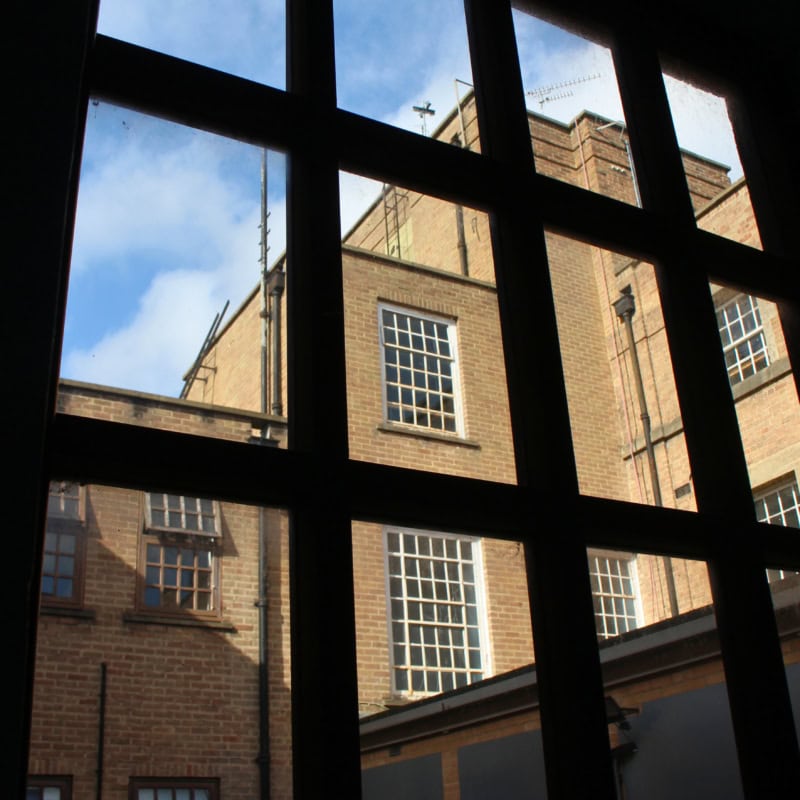
Ad Hoc has managed this extensive and historically significant estate for seven years: initially for Somerset Police and, for the past five years, for Photinia Ltd following their acquisition of the site. Photinia intends to redevelop the entire estate into a new residential community, a process requiring long planning timelines and sensitive interim management.
The estate consists of eight buildings, including:
- Old Police Station – a preserved building currently housing 25 Guardians
- Historic Prison (1700s, listed) – partially occupied by 15 Guardians; includes original cells and former police incident centre
- Infirmary
- Garage
- Warehouses
- Network of Underground Tunnels connecting buildings and leading to the courthouse opposite
This mix of heritage structures and vacant land created a complex security and occupancy challenge requiring a flexible and robust guardianship approach.
The Challenges
- High risk of squatting and vandalism – The property’s location and extended vacancy made it vulnerable to unauthorised occupation.
- Long planning timelines – Redevelopment required multi‑stage planning approval, further complicated by the presence of listed and preserved buildings, which significantly restrict what can be altered on the site. This made it essential to establish a cost‑effective, long‑term interim solution: one that protected the estate, did not interfere with future development, and crucially generated ongoing income to help offset the substantial holding, maintenance, and compliance costs associated with a complex heritage property.
- High security risks – As a large, centrally located vacant estate, it was vulnerable to antisocial behaviour, fly tipping and general trespass.
- Requirement for flexibility – Photinia needed an arrangement that could scale up or down quickly as planning decisions evolved, allowing parts of the site to be vacated at short notice.
Our Solutions
We implemented a tailored guardianship and property management programme built specifically for a large, multi building heritage site:
- Flexible Guardian licensing ensuring all occupants can be given 28 day notice to vacate when required
- Strategic property management advice to support Photinia’s long term redevelopment objectives
- Installation of upgraded facilities to enhance habitability and increase licence-fee revenue
- Focus on key worker recruitment, supporting the local community and ensuring reliable, respectful occupants
- On site presence, with Ad Hoc establishing its own office within the estate and visiting the site several times each week
- Consistent monitoring and reporting, helping maintain security and protect the estate’s historic buildings

”Ad Hoc has transformed a challenging and complex estate into a secure, well managed environment while giving us complete flexibility throughout our redevelopment planning. Their team is proactive, responsive, and consistently professional. We’ve been impressed by the reliability of their Guardians and the visible improvements across the property. We look forward to continuing our partnership during the redevelopment process
Photinia Ltd
Why Ad Hoc?
We are the trusted name in protecting vacant properties across the UK and Europe.
With over 35 years of experience, we are on a mission to bring empty buildings back into use and communities back to life.
Tailored Solutions
Looking for the right solution for your vacant property? We provide options such as Residential Guardianship, Workspace Occupation, Charity Occupation and Property Security to keep your building protected and in use.
Fill out the form for a free, no-obligation conversation. We’ll be in touch to explore the best approach for your property.
Fields marked with a * are required fields


