
Reducing Insurance Risk Through Active Occupancy
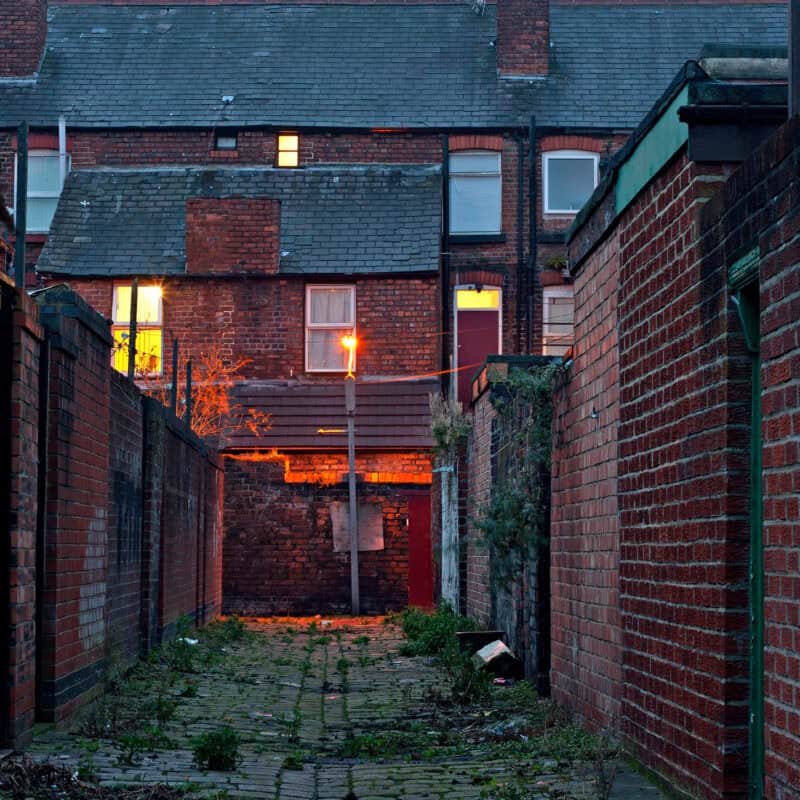
The Risk of Insuring Empty Properties
Empty properties are considered high risk by most insurers. Without day-to-day oversight, the chances of fire, flooding, theft, or vandalism increase significantly. Issues like burst pipes or break-ins can go unnoticed for days or weeks, leading to greater damage and more expensive claims.
Because of these risks, insurers often impose strict terms on vacant buildings. Premiums are higher, coverage is reduced, and policies may include complex vacancy clauses or inspection requirements. If these conditions aren’t met, you may find that claims are delayed or even rejected entirely. In some cases, property owners are forced to rely on expensive security services just to keep coverage in place.
The Broader Cost Includes:
- Increased insurance premiums due to higher risk classifications
- Denied or delayed claims for damage or loss
- Additional fees for vacant property inspections or unoccupied status endorsements
- Higher repair costs from unnoticed maintenance issues
- Greater administrative burden and uncertainty around compliance
How Guardianship Helps
Ad Hoc’s guardianship solution offers a simple, effective way to reduce the risks that come with vacant property insurance. By introducing a legal and consistent presence on-site, we help shift your property from “vacant” to “occupied” in the eyes of insurers—without the cost or rigidity of traditional security options.
Our carefully selected guardians live or work in otherwise empty buildings under flexible agreements. Their presence acts as a natural deterrent to break-ins and vandalism, while also ensuring any issues—like leaks, fire hazards or damage—are spotted early and reported quickly.
With guardianship, insurers can reassess the level of risk, often resulting in:
- Improved eligibility for cover and fewer policy restrictions
- Reduced premiums compared to fully vacant status
- Fewer complications with claims, thanks to better oversight
- Mitigated risk of costly incidents like water damage or arson
- No need for expensive vacant property inspections or full-time guards
- A legally compliant and transparent approach to managing insurance expectations
By keeping your property safe, visible, and maintained, guardianship provides a more practical and affordable way to manage vacancy and protect your asset.


